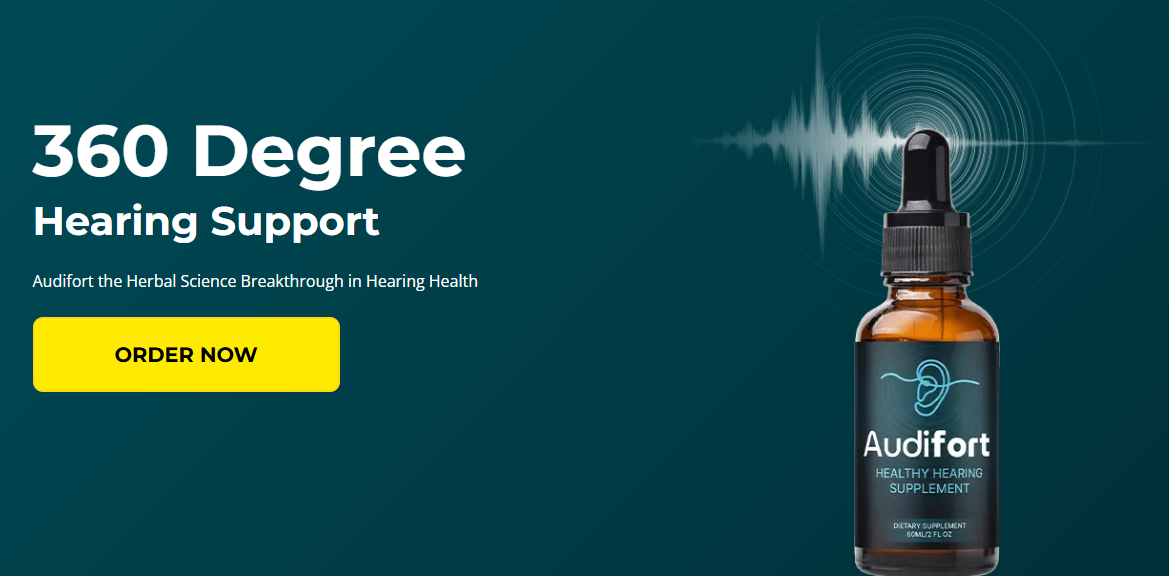
Audifort Drops for Tinnitus Reviews – Hearing plays an important role in everyday life, from following conversations with family to enjoying music and participating in social activities. When hearing becomes less clear or ringing sounds appear in the ears, it is natural to look for ways to support auditory wellness.
Audifort is a liquid dietary supplement marketed for hearing support and general ear health. According to its sales website, the formula combines plant extracts and other ingredients intended to support healthy hearing, antioxidant protection, and relaxation. The product is promoted as a convenient option for adults interested in maintaining their hearing wellness.
However, an important question remains: does Audifort deliver the benefits advertised by its seller? Understanding its ingredients, intended uses, safety considerations, and the available evidence can help consumers make informed decisions.
In this detailed Audifort review, we examine the product’s formulation, potential benefits, suggested use, possible side effects, pricing considerations, and frequently asked questions.
Support Your Hearing Naturally with Audifort!!
What Is Audifort Drops?
Audifort is a liquid dietary supplement promoted for hearing support. Its official sales page describes it as a formula containing more than 20 ingredients, including selected herbs and other compounds associated with general wellness.
The manufacturer markets Audifort toward adults who want to support their hearing health as they age or who are concerned about changes in auditory comfort.
The product website highlights several features:
- A liquid formula designed for convenient daily use.
- A blend of botanical ingredients and other compounds.
- A focus on hearing wellness and general well-being.
- A suggested daily serving measured with a dropper.
- A seller-advertised 90-day money-back guarantee.
These details describe the product as marketed. They do not establish that Audifort can reverse hearing loss, regenerate damaged inner-ear structures, or cure tinnitus.
Hearing difficulties can arise from earwax buildup, infections, age-related changes, noise exposure, medication effects, and other medical conditions. Identifying the underlying cause is important before deciding which approach is appropriate.
How Does Audifort Work?
According to its marketing materials, Audifort is intended to support hearing wellness through ingredients associated with antioxidant activity, circulation, and relaxation.
The proposed approach involves several general mechanisms.
Supporting Antioxidant Protection
Some plant extracts contain antioxidants that help protect cells from oxidative damage. Grape seed extract and green tea extract are examples of ingredients known for containing antioxidant compounds.
Although these properties have been studied in various contexts, evidence about an ingredient’s general biological activity does not automatically demonstrate that a finished supplement improves hearing.
Supporting General Circulatory Health
Healthy blood circulation is important for normal bodily function, including the tissues involved in hearing. The manufacturer suggests that selected ingredients in Audifort may support circulation.
However, there is not sufficient product-specific clinical evidence established here to conclude that Audifort improves blood flow to the inner ear or restores hearing.
Promoting Relaxation
The formula includes GABA, a compound involved in inhibitory signaling in the nervous system. The seller associates this ingredient with relaxation and stress support.
Stress can affect how people experience and cope with tinnitus, but that does not mean a supplement containing GABA will reduce ringing in the ears. The effects of orally consumed GABA supplements also require careful interpretation.
Important: These mechanisms describe the rationale behind the marketing. They should not be interpreted as proof that Audifort treats hearing loss or tinnitus.
Take advantage of this opportunity to get your Audifort supply today
What Are the Audifort Ingredients?
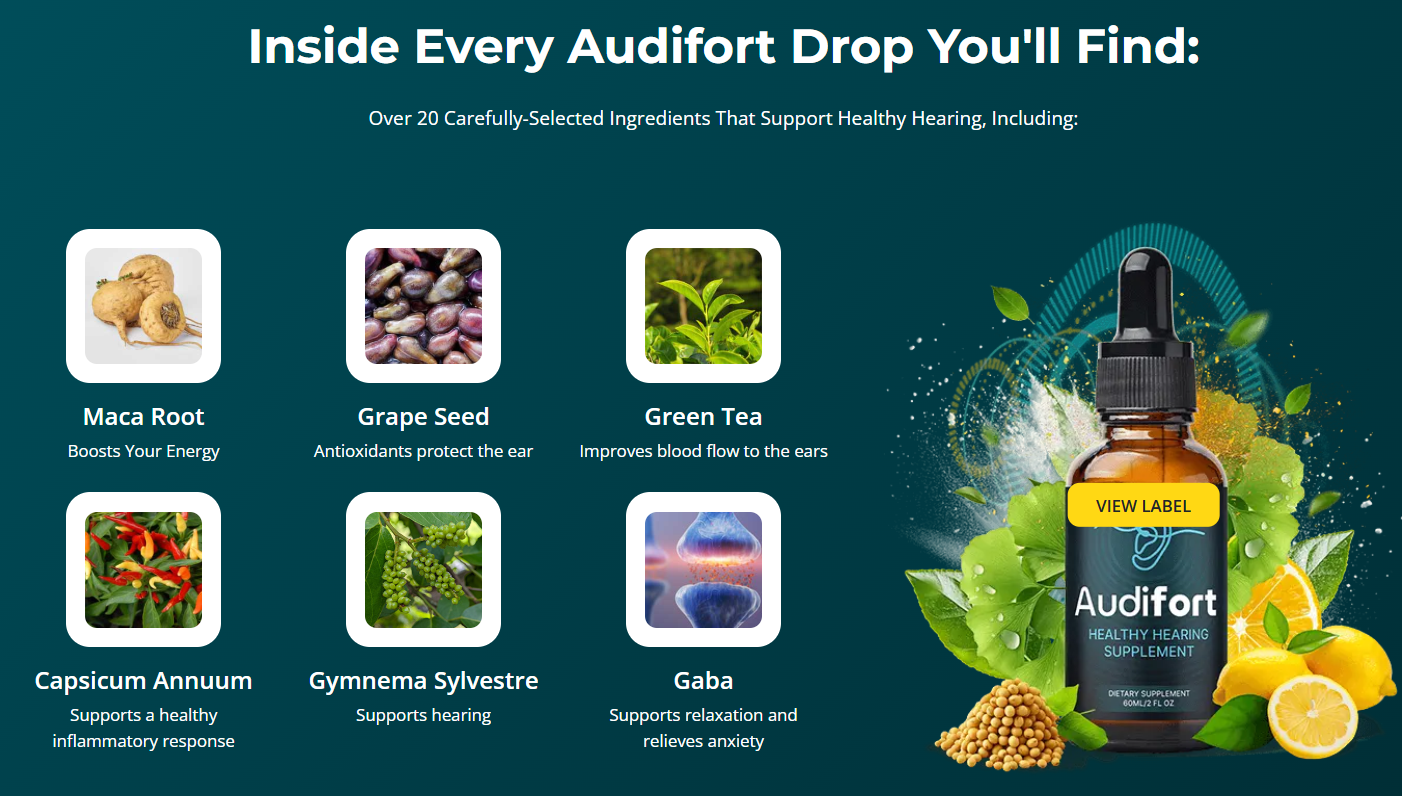
The official product page identifies several highlighted ingredients. The exact amount of each ingredient and the complete formulation should be checked on the current product label before purchasing.
1. Maca Root
Maca is a plant traditionally used as a food and herbal ingredient. It is commonly associated with general vitality and energy support.
The seller includes maca in Audifort’s broader wellness formula. However, strong clinical evidence demonstrating that maca improves hearing or reverses auditory damage is lacking.
2. Grape Seed Extract
Grape seed extract contains antioxidant compounds known as proanthocyanidins.
Researchers have investigated grape seed compounds for various potential health effects. Nevertheless, evidence about antioxidant activity does not establish that taking grape seed extract can prevent or reverse hearing loss in humans.
3. Green Tea Extract
Green tea contains polyphenols, including catechins, that have been studied for antioxidant properties.
Audifort’s seller highlights green tea extract in connection with circulation and hearing support. Consumers should distinguish these proposed benefits from clinical evidence demonstrating an improvement in hearing outcomes.
Green tea extracts may also cause side effects in some people, and concentrated extracts have been associated with liver injury in uncommon cases.
4. Capsicum Annuum
Capsicum annuum refers to a group of pepper plants. Certain varieties contain capsaicinoids, compounds responsible for their characteristic heat.
Although capsaicin has been studied for several applications, its presence in a dietary supplement does not prove that the formula can reduce ear inflammation or improve hearing.
5. Gymnema Sylvestre
Gymnema sylvestre is an herb traditionally used in herbal medicine, particularly in products associated with glucose metabolism.
The Audifort website lists it as one of the ingredients in its hearing-support formula. However, evidence supporting gymnema for glucose-related uses should not be interpreted as evidence that it treats auditory problems.
Gymnema may also affect blood sugar, so people taking diabetes medications should consult a healthcare professional before using products containing it.
6. GABA
Gamma-aminobutyric acid, commonly called GABA, is a naturally occurring neurotransmitter that helps regulate signaling in the nervous system.
The manufacturer associates GABA with relaxation and stress support. However, the effectiveness of oral GABA supplements for specific health outcomes is not firmly established, and evidence that it treats tinnitus is insufficient.
Other Ingredients
The seller advertises a formula containing more than 20 ingredients. Before buying, check the current label for the complete ingredient list, serving amounts, inactive ingredients, and any proprietary blends.
Ingredient transparency matters because the safety and potential effects of a supplement depend on more than the names of its ingredients.
What Are the Potential Benefits of Audifort?
Audifort is promoted for several potential wellness benefits. Each should be considered in light of the available evidence.
1. Convenient Liquid Supplementation
The liquid format may appeal to people who prefer drops rather than tablets or capsules.
Convenience, however, is a feature of the product format rather than proof of superior effectiveness.
2. General Antioxidant Support
Some ingredients highlighted by the seller contain antioxidant compounds. These may have biological activity, but it is not established that the complete Audifort formula produces meaningful hearing improvements.
3. Support for Relaxation
The formula contains GABA, which the manufacturer associates with relaxation. Individual responses to supplements vary, and the product should not be considered a proven treatment for anxiety or tinnitus-related distress.
4. A Structured Daily Routine
For people who prefer liquid supplements, using a product according to its label may provide a straightforward routine. However, a daily supplement is not a substitute for hearing assessments, protective measures against excessive noise, or appropriate medical care.
5. An Opportunity to Explore Hearing Wellness
Researching Audifort may encourage consumers to learn more about their hearing health. Still, the most useful next step for someone experiencing hearing changes is often a professional assessment rather than relying on supplement marketing.
Overall, these are potential or product-format benefits, not established clinical outcomes for Audifort.
Try Audifort Today At Special Introductory Pricing!
How to Use Audifort Drop?
The seller’s website recommends taking one full dropper daily, either under the tongue or mixed with water or juice. Its current label should be consulted to confirm the appropriate serving and directions.
If you are considering using Audifort:
- Read the complete product label before use.
- Follow the stated serving instructions and do not exceed the recommended amount.
- Review all ingredients for potential allergies or interactions.
- Consult a healthcare professional if you take medication or have an existing medical condition.
- Stop using the product and seek appropriate advice if you experience a concerning reaction.
People who are pregnant or breastfeeding should seek professional advice before using supplements unless their safety has been established for their circumstances.
Do not delay an ear examination or hearing test while waiting to see whether a supplement produces results.

Audifort Side Effects and Safety
The fact that a product contains natural ingredients does not automatically make it safe for everyone.
Potential safety considerations include:
- Digestive discomfort: Some botanical extracts may cause stomach upset or other digestive symptoms.
- Blood sugar effects: Gymnema may affect glucose levels and could interact with diabetes medication.
- Liver concerns: Concentrated green tea extracts have been associated with rare cases of liver injury.
- Medication interactions: Herbal ingredients may interact with prescription or over-the-counter medicines.
- Allergic reactions: People sensitive to any ingredient should avoid the product.
The specific risk depends on the ingredients, their quantities, the user’s health, and any medications being taken. A complete safety assessment is difficult without verified amounts for the entire formula.
There is also insufficient product-specific evidence to establish Audifort’s long-term safety for every user.
If you experience sudden hearing loss, seek urgent medical care. Sudden hearing loss can be a medical emergency, and delaying assessment may reduce the effectiveness of treatment.
Audifort Price and Where to Buy?
Audifort is sold online through its official website:
The seller promotes package offers and states that certain multi-bottle purchases include digital bonuses. It also advertises a 90-day money-back guarantee.
Prices and promotional packages can change, so check the checkout page for the current cost before ordering.
Before completing a purchase, review:
- The total price, including shipping and applicable taxes.
- The number of bottles and servings included.
- The full ingredient list and serving instructions.
- The refund policy and any conditions for requesting a refund.
- The seller’s contact information and order terms.
Do not assume that a discount or a money-back guarantee demonstrates that the product is clinically effective. A refund policy is a purchasing consideration, not evidence of medical benefit.
Is Audifort Worth Buying?
Whether Audifort is worth considering depends on your expectations, budget, health circumstances, and the quality of evidence you require.
People interested in liquid botanical supplements may find the format appealing. However, anyone considering it specifically to reverse hearing loss or eliminate tinnitus should be cautious.
Clinical guidance does not establish dietary supplements as proven treatments for chronic tinnitus. A review of the evidence-based German tinnitus guideline found insufficient evidence that dietary supplements reliably reduce tinnitus symptoms.
If you have hearing difficulties, a healthcare professional or audiologist can help identify possible causes and discuss appropriate options. Depending on the diagnosis, management may involve treating earwax or infection, addressing medication-related causes, hearing aids, or other evidence-based approaches.

Frequently Asked Questions
1. What is Audifort used for?
Audifort is a liquid dietary supplement marketed for hearing wellness. Its seller promotes it for supporting healthy hearing and general well-being, but it has not been established as a treatment for hearing loss or tinnitus.
2. Does Audifort really improve hearing?
There is insufficient product-specific clinical evidence to conclude that Audifort reliably improves hearing. Individual testimonials and general ingredient research cannot establish that the finished formula is effective.
3. Can Audifort cure tinnitus?
Audifort has not been established as a cure for tinnitus. Persistent ringing or buzzing can have multiple causes, so a healthcare professional can help assess symptoms and discuss appropriate management.
4. What are the main Audifort ingredients?
The official product page highlights maca root, grape seed extract, green tea, capsicum annuum, Gymnema sylvestre, and GABA, among other ingredients. Check the current label for the complete formula and ingredient amounts.
5. How do you take Audifort?
The seller recommends one full dropper daily, either under the tongue or mixed with water or juice. Confirm the directions on the current label before use.
6. Are there any Audifort side effects?
Potential concerns include digestive symptoms, allergies, and interactions with medicines. Some ingredients may also affect blood sugar, and concentrated green tea extract has been associated with rare liver injury. Consult a healthcare professional if you have concerns.
7. How long does Audifort take to work?
The seller suggests that some users may notice changes within a week, but this is a marketing claim rather than an independently established result. There is insufficient evidence to predict when, or whether, Audifort will produce a hearing-related benefit.
8. Is Audifort FDA-approved?
Dietary supplements are not approved by the FDA for effectiveness before being marketed in the same way as prescription medicines. Do not interpret claims about an FDA-registered manufacturing facility as proof that Audifort itself is FDA-approved or clinically effective.
9. Can Audifort replace hearing aids?
No. Audifort should not be used as a replacement for hearing aids or other recommended medical care. If you have hearing difficulties, seek an assessment to understand which options may help.
10. Where can I buy Audifort?
You can buy it from the Audifort Official Website. Review the current product label, total cost, shipping details, and refund terms before purchasing.
Conclusion
Audifort is a liquid dietary supplement marketed for hearing support, featuring a blend of botanical ingredients and other compounds. Its convenient format and online availability may appeal to some consumers, but the evidence does not establish that it can restore hearing or cure tinnitus.
Before buying, evaluate the ingredients, possible interactions, price, and seller’s terms carefully. Most importantly, do not let supplement marketing delay professional assessment of hearing changes, especially if symptoms develop suddenly.

